

YOUR HEALING COMPASS
Our blog is a curated space where holistic mental health intersects with real-life healing. Here, you'll find thoughtful articles by founder Paris O'Bike, NP on integrating body, mind, and lifestyle—designed to empower you on your journey.


SEARCH:
FEATURED CATEGORIES:

How Can a Consultation Help Treatment-Resistant Depression & Anxiety?
A consultation for treatment-resistant depression & anxiety helps uncover why past care hasn’t worked, addressing both nervous system patterns and whole-body needs.
How Can Extended Trauma-Informed Therapy Help With Complex Trauma and Nervous System Regulation?
Extended trauma-informed therapy offers the time and clinical support complex trauma requires, focusing on nervous system regulation rather than rushed symptom management.

Autonomic Imbalance Mental Health Explained: Why Your Body Feels “Stuck”
Autonomic imbalance can leave your body tense, exhausted, and emotionally “stuck.” Functional strategies support nervous system regulation for lasting relief.
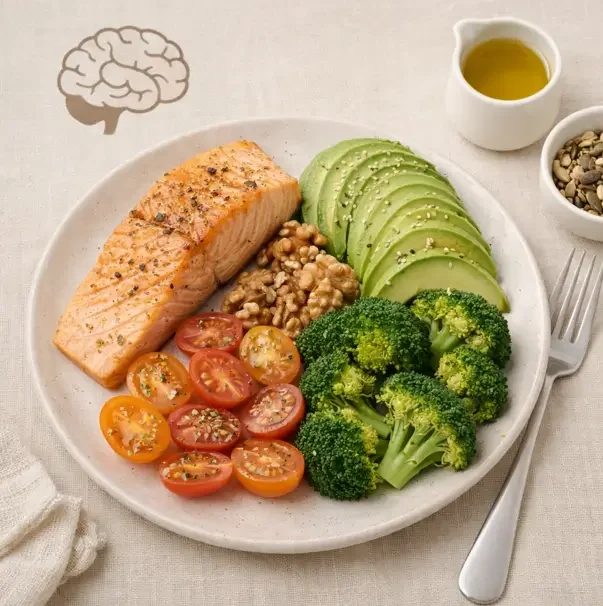
The Role of Metabolism in Mental Health: A Functional Approach
Metabolism and mental health are deeply connected. Supporting metabolic function can improve mood, focus, and energy while enhancing therapy and medication effectiveness.

From Anxiety to Burnout: Nervous System Overload Symptoms You Shouldn’t Ignore
Anxiety and burnout are often signs of a nervous system under constant strain. Understanding nervous system overload symptoms can help you recognize when your body is asking for support.

Sustainable Emotional Wellness: Strategies That Actually Work
Sustainable emotional wellness isn’t about feeling happy all the time. It’s about building steady, realistic strategies that support emotional balance through stress, change, and everyday life.

Functional Treatment for Mood Disorders: Addressing the Root Causes of Emotional Imbalance
Functional treatment for mood disorders looks beyond symptoms to uncover the root causes of emotional imbalance. This approach blends psychiatric care, therapy, and lifestyle support to help you feel more stable and in control.

Integrative Treatment for Insomnia: How to Restore Sleep Naturally and Effectively
Integrative treatment for insomnia helps address the root causes of poor sleep, not just nighttime symptoms. This whole-person approach supports your nervous system so rest can return more naturally and consistently.

Holistic Treatment for Depression: Healing Mind, Body, and Brain
Holistic treatment for depression focuses on healing the whole person, not just managing symptoms. This approach blends psychiatric care, therapy, and lifestyle support to help you feel more connected and steady again.

Getting Good Psychiatric Care: How to Advocate for Yourself After Being Dismissed
If you’ve ever felt dismissed or minimized in a psychiatric appointment, you’re not alone—and it wasn’t your fault. This guide teaches you how to advocate for yourself so you can finally receive the good psychiatric care you deserve.

Integrative Treatment for Anxiety: What to Expect and Who It’s For
Integrative treatment for anxiety looks at your whole health, not just symptoms. This approach blends psychiatric care, therapy, and natural supports to create a plan that truly fits you.

Mental Health Med Limits: What Meds Can and Can’t Do for Emotional Healing
Medication can support your mental health, but it isn’t designed to heal emotional wounds. This guide explains the real mental health med limits so you can make informed, compassionate choices about your care.

Why Psychiatry Feels Cold: What Psychiatrists Focus On and How to Feel Truly Supported
Many people leave psychiatric appointments feeling unheard, but the issue often lies in the structure, not in you. This guide explains why psychiatry feels cold and how you can still find care that feels supportive and human.

30 Days to Mindful Eating: A Psychiatrist’s Guide to Healing Your Relationship With Food
30 days of mindful eating helps you slow down, listen to your body, and make food choices with intention instead of stress. It’s a gentle path toward healing your relationship with food.

Mental Health Check-In: Why It Matters & How to Do It Regularly
A mental health check-in helps you slow down and understand what you’re truly feeling. It’s a simple practice that supports emotional balance and prevents burnout.

Navigating Toxic Families During the Holidays: How to Protect Your Peace and Well‑Being
Holiday gatherings can be stressful when family dynamics are toxic. This guide helps you set boundaries and protect your peace while staying mentally well.

Your First Visit to a Psychiatrist: What to Expect & How to Prepare
Wondering what happens during your first visit to a psychiatrist? This guide walks you through the process, from preparation to what to expect during the session.

Clean Eating & Mental Clarity: How Whole Foods Can Help Mood, Energy, and Focus
Feeling foggy, low-energy, or irritable? Clean Eating & Mental Clarity focuses on simple, whole foods that nourish your brain and support focus and mood.

Lazy-Girl Meal Plan for Mental Wellness: Brain-Happy Meals for Busy or Low-Effort Days
Struggling to eat healthy on busy or low-energy days? This Lazy Girl Meal Plan for Mental Wellness offers quick, brain-nourishing meals that keep your mood balanced.

Healthy Snacks for Mental Health: Best Foods Psychiatrists Recommend
Healthy snacks for mental health can make a real difference in your mood, focus, and daily energy. This guide shares psychiatrist-recommended foods that nourish your brain and support emotional well-being.

WELLNESS THAT MEETS YOU WHERE YOU ARE
Join our email list for integrative tools and trusted insights designed to help you thrive.